 Moosiqs
Albums like Gallery of Suicide by Cannibal Corpse
1998
Gallery of Suicide by Cannibal Corpse is a relentless plunge into the abyss of late '90s death metal. George Fisher's guttural growl and Pat O'Brien's razor-sharp guitar riffs deliver a ferocious energy that's both brutal and precise. The production is raw yet refined, capturing the band at a time when they were pushing boundaries with a new lineup. A listener drawn to this album is often seeking that visceral punch and technical prowess that defines this era of death metal, craving the sensation of being enveloped by a wall of sound. It's an album that doesn't just play; it assaults, leaving a lasting mark on the psyche.
Recommendations

Dismember · 1995
Massive Killing Capacity by Dismember offers a similar '90s death metal ferocity. The album's production is raw yet powerful, with a thick, oppressive guitar tone that echoes the sonic brutality of Gallery of Suicide. Dismember's Swedish roots bring a distinct melodic edge, contrasting with Cannibal Corpse's American aggression, but both share a relentless drive. It's an album that revels in the same kind of intensity and precision that fans of late '90s death metal adore.
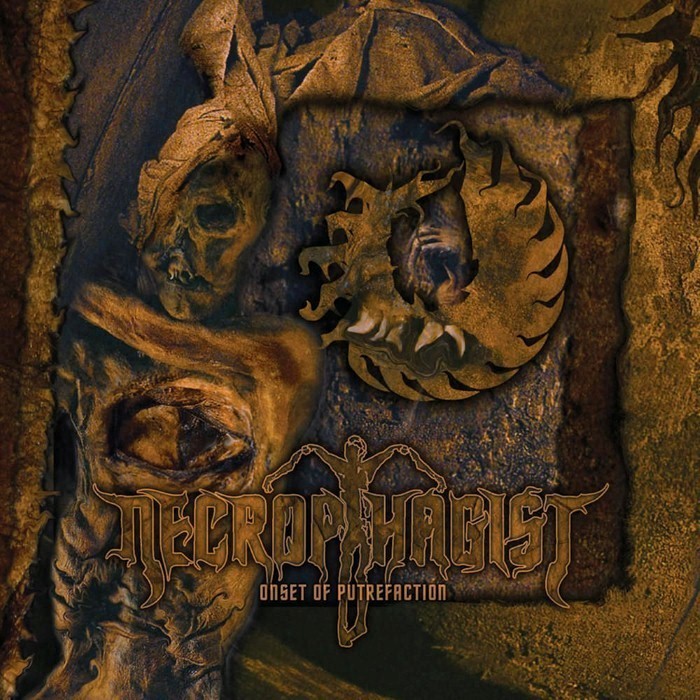
Necrophagist · 1999
Onset of Putrefaction by Necrophagist is a technical marvel, much like Cannibal Corpse's Gallery of Suicide. Muhammed Suiçmez's intricate guitar work and complex compositions offer a technical prowess that fans of Cannibal Corpse's precision will appreciate. While Necrophagist leans more towards technical death metal, the album's relentless pace and intricate riffs create a similar intensity that captivates listeners seeking depth and brutality.

Deicide · 2006
The Stench of Redemption by Deicide captures the same aggressive spirit found in Cannibal Corpse's Gallery of Suicide. With Jack Owen, formerly of Cannibal Corpse, on guitar, the album exudes a familiar ferocity. The themes of destruction and anti-religion add a layer of intensity that fans of Gallery of Suicide will find compelling, alongside blistering guitar work and relentless drumming that echo the brutal precision of late '90s death metal.

Suffocation · 2004
Souls to Deny by Suffocation brings a raw, unfiltered energy akin to Gallery of Suicide. The album marks a triumphant return after a hiatus, with relentless guitar riffs and guttural vocals that are a staple of the genre. The intricate compositions and tight musicianship offer a level of complexity and aggression that parallels the ferocious energy Cannibal Corpse fans crave, providing a satisfying hit of pure death metal intensity.

Gorguts · 2001
Luc Lemay's intricate guitar work and complex song structures provide a cerebral take on death metal, while maintaining the aggressive edge. It's an album that balances technical prowess with raw power, appealing to those who appreciate the intricate yet brutal nature of Cannibal Corpse's late '90s output.

Grave · 2002
Back From the Grave by Grave taps into the primal energy that makes Gallery of Suicide so compelling. After a hiatus, Grave returns with a raw, visceral sound that mirrors the relentless intensity of Cannibal Corpse. The thick, muddy guitar tones and guttural vocals provide a familiar comfort for fans of the genre, delivering an unrelenting assault that echoes the ferocity of late '90s death metal.

Death · 1998
The Sound of Perseverance by Death presents a progressive twist on the death metal formula, much like the evolution seen in Gallery of Suicide. While Death's approach is more melodic, the album's intensity and technical prowess provide a captivating experience for those who appreciate the complexity and aggression of Cannibal Corpse's work.

Obituary · 1990
Cause of Death by Obituary stands as a classic in the death metal canon, paralleling the raw aggression of Gallery of Suicide. With James Murphy on guitar, the album delivers crushing riffs and a foreboding atmosphere, elements that fans of Cannibal Corpse's sixth studio outing will find familiar. The sheer weight of the sound and the dark, oppressive mood make it a staple for anyone drawn to the intensity of the late '90s death metal scene.
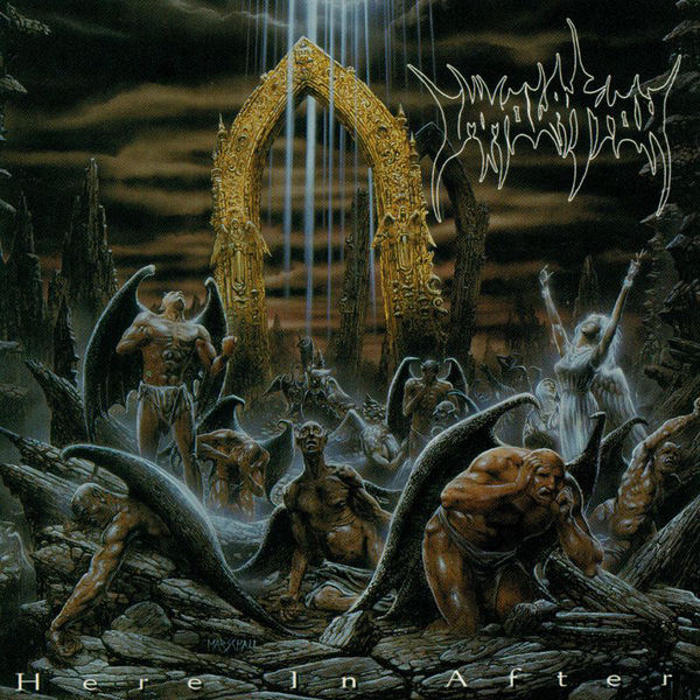
Immolation · 1996
Here in After by Immolation delivers a dense, atmospheric sound that aligns with the brutal intensity of Gallery of Suicide. The album's intricate guitar work and complex song structures offer a challenging listen, much like Cannibal Corpse's relentless approach. With its dark themes and overwhelming sound, Here in After captures the same relentless energy and sophisticated aggression that defines the best of late '90s death metal.
Frequently asked questions
- What albums sound like Gallery of Suicide by Cannibal Corpse?
- Massive Killing Capacity by Dismember, Onset of Putrefaction by Necrophagist and The Stench of Redemption by Deicide, plus 6 more on this page.
- Why is Massive Killing Capacity by Dismember similar to Gallery of Suicide?
- Massive Killing Capacity by Dismember offers a similar '90s death metal ferocity. The album's production is raw yet powerful, with a thick, oppressive guitar tone that echoes the sonic brutality of Gallery of Suicide. Dismember's Swedish roots bring a distinct melodic edge, contrasting with Cannibal Corpse's American aggression, but both share a relentless drive. It's an album that revels in the same kind of intensity and precision that fans of late '90s death metal adore.
- Why is Onset of Putrefaction by Necrophagist similar to Gallery of Suicide?
- Onset of Putrefaction by Necrophagist is a technical marvel, much like Cannibal Corpse's Gallery of Suicide. Muhammed Suiçmez's intricate guitar work and complex compositions offer a technical prowess that fans of Cannibal Corpse's precision will appreciate. While Necrophagist leans more towards technical death metal, the album's relentless pace and intricate riffs create a similar intensity that captivates listeners seeking depth and brutality.
- Why is The Stench of Redemption by Deicide similar to Gallery of Suicide?
- The Stench of Redemption by Deicide captures the same aggressive spirit found in Cannibal Corpse's Gallery of Suicide. With Jack Owen, formerly of Cannibal Corpse, on guitar, the album exudes a familiar ferocity. The themes of destruction and anti-religion add a layer of intensity that fans of Gallery of Suicide will find compelling, alongside blistering guitar work and relentless drumming that echo the brutal precision of late '90s death metal.
Discover more albums you'll love
Moosiqs builds your personal music library and surfaces albums tailored to your taste.
Get started free