Moosiqs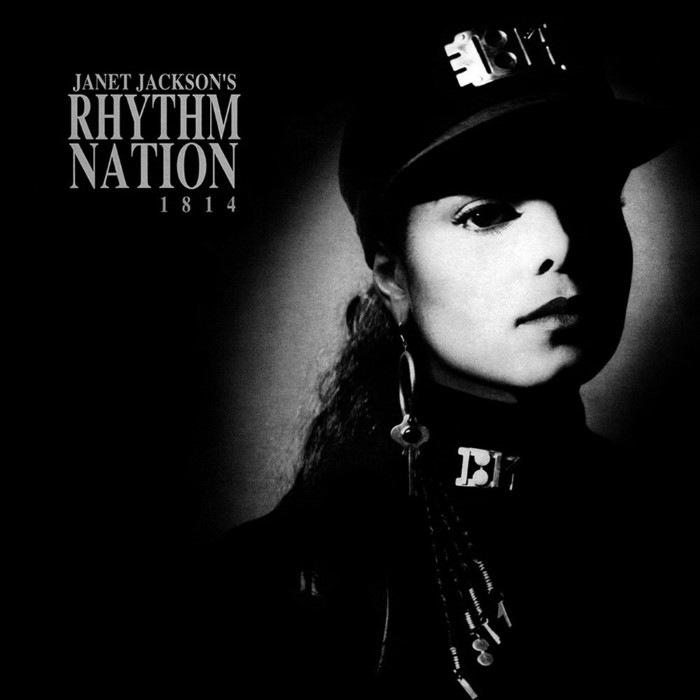
Rhythm Nation 1814
Janet Jackson
Released: 1989
If 1986’s <i>Control</i> established Janet Jackson as a force in R&B, <i>Rhythm Nation 1814</i>, arriving three years later, was her soul manifesto; she used proud politics, stark iconography and heavy-hitting beats to craft a State of the Union address that demanded to be danced alongside. Working once again with the Minneapolis production duo Jimmy Jam and Terry Lewis, whose work on <i>Control</i> had kickstarted their takeover of late-'80s R&B-leaning pop, Jackson channelled her calls for respect into calls for unity—both lyrically and through her relentless genre-melding. The results include cracking rock songs like the sinewy "Black Cat" as well as funk workouts like the jubilant wedding-song-ready "Alright".<br /> Filled with aural collages and spoken-word interludes tackling the cultural ills that plagued the chaotic late '80s (and still reverberate decades later), <i>Rhythm Nation 1814</i> flows like a long night at the club—complete with reminders of why finding transcendence on the dance floor is a necessary act. "State of the World" has a propulsive beat and slinky bassline that make its stories about people on the edge and its visions of a better world ("Can't give up hope now/Let's weather the storm together," she declares after verses about homeless kids and teen moms) hit even harder. "The Knowledge" takes a defiant stand against various strands of ignorance while synths careen around Jackson and her army—a phalanx that she envisioned in the stark black-and-white clips for "Rhythm Nation" and "Miss You Much", which featured her leading precision-grade dance troupes outfitted in decorated tops.<br /> The pleasure principle that made Jackson's previous album such a success powers this one, taking centre stage on the buoyant "Love Will Never Do (Without You)", a giggly love song that features one of Jackson's most exuberant vocals, and the beckoning "Escapade", which blends the '60s girl-group ideal with New Jack Swing's synths and strutting. The ballads at the record's end, which include the Herb Alpert-assisted push into ecstasy "Someday Is Tonight", showcase her slow-jam skills and hint at the sensual side she'd explore on later albums like <i>The Velvet Rope</i>. While not as explicitly political as the other tracks, they still contribute to the album's ideal of a better world—one where strong women like Jackson can take control of their own bliss while leading the next generation to a place where knowledge and harmony reign supreme.